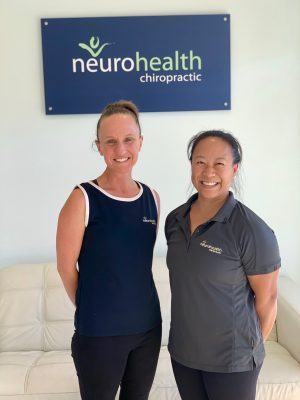
Massages comes in a wide variety of techniques, here at Neurohealth our Massage Therapist Diana focuses on four techniques to release stress, tension and pain.
In this form of massage all-round health improvement is seen. Better sleep, decreased pain, increases in vitality and performance levels, as well as increased mobility. In Remedial Massage, Diana uses a multitude of techniques from stretching to active tissue release to myofascial and more, to address an issue and help you walk without pain.
This technique works on relaxing & reducing the aches of Pregnancy, with a focus on those areas that are of most concern to expectant mums. Diana will gently massage away niggling knots of nasty pain using specialised techniques, which are 100% safe for you and your baby.
The benefits of a pregnancy or antenatal massage can be profound. It help reduce stress hormones in the pregnant woman’s body. This massage can provide them energy as the soon-to-be-mums can have the opportunity to rest and completely relax. It can relieve the everyday discomforts of pregnancy such as an aching neck, sore back, and heaviness in the pelvic bones, leg cramps, swelling of the ankles and feet.
Lastly it can help the pregnant mum have improved sleep due to the feeling of less tension and stress throughout the body and mind.
Myofascial Release is a form of soft tissue therapy used to treat adhesions in muscle and its surrounding connective tissues and resulting pain and restriction of motion.
This technique specifically works on connective tissue. If you can imagine a piece of steak the connective tissue is the thin white layers in the muscle. It binds everything together, your muscles, bones, skins and tendons. If you have a massage that works solely on your muscles and your fascia is still bound up, it is likely that you will feel good immediately after the massage but the next day, you may be back to feeling the same because the restriction wasn’t really addressed.
This type of massage will assist your body in holding your chiropractic adjustments.
Trigger point massage therapy is specifically designed to alleviate the source of the pain through cycles of isolated pressure and release.
In this type of massage the recipient actively participates through deep breathing as well as identifying the exact location and intensity of the discomfort.
The results and benefits of trigger point massage are releasing constricted areas in the muscles thus alleviating pain. Receiving massage with trigger point therapy on a regular basis can help naturally manage pain and stress from chronic injuries.
Deep tissue massage is like Swedish Massage in that it is designed to relax the body, however the deeper pressure is beneficial in releasing chronic muscle tension. The focus is on the deepest layers of muscle tissue, tendons and fascia (the protective layer surrounding muscles, bones and joints).